Many have experienced Covid over the past year. The symptoms and severity can vary from person to person. Getting back to exercise and returning to previous endurance can be difficult. There are, however, safe and effective ways to return to physical activity after Covid. Continue reading to find out more.
When to start back up:
Before we begin it is important to note that there are clear times when you should and should not start back up with physical activity. Firstly it is crucial to know what stage of recovery you are in. If you have only just recovered it may be prudent to wait a week or so before any increased activity. Secondly, many of those who have recovered from Covid have previous preexisting conditions such as COPD, Asthma, Emphysema and other conditions that effect the lungs. Therefore, it is important to acknowledge those preexisting conditions and take the necessary time to recuperate before considering any new strain to the body.
How to begin activity:
The next stage is to determine how and what degree of activity is appropriate to start with. This is first determined by what type of symptoms you experienced, preexisting medical conditions you have, the use of home oxygen and what your doctor recommends. Granted you no longer have symptoms and are clear from the criteria mentioned above, it can be safe to return to physical activity after Covid.
Working out safely and effectively:
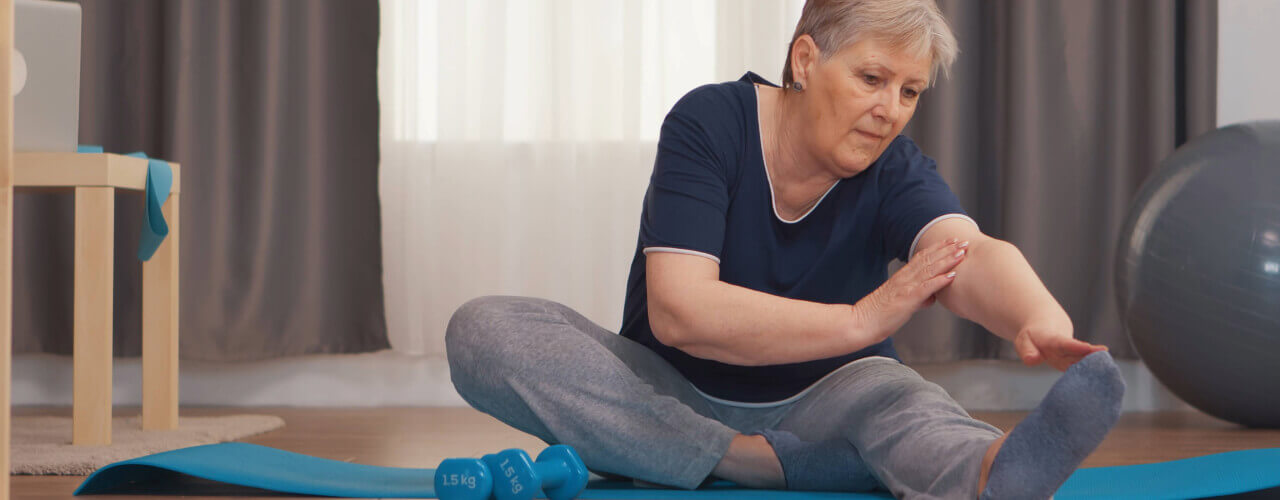
- Structure exercises appropriately to avoid over exerting yourself. Consider what type of exercises you were doing before hand and scale your current activity below that. Start with gentle movements that don’t increase the heart rate too fast. Simple chores around the house may be all you need to start with to feel a difference.
- After about a week start progressing to harder activities while still not overdoing it. A good way to tell is if you can still talk and hold a conversation without feeling like you have to catch your breath of feel winded. Taking breaks throughout the exercise session is also important.
- While you continue to exercise, monitor how you feel. Be mindful if you experience lightheadedness, dizziness, headache, extreme shortness of breath, irregular heartbeat and dropping SPO2 levels. It may be helpful to wear a pulse oximeter as you workout. Make sure to stop activities if experience any of those symptoms and consult your doctor. You should scale down the exercises if you feel like you are not ready for them yet.
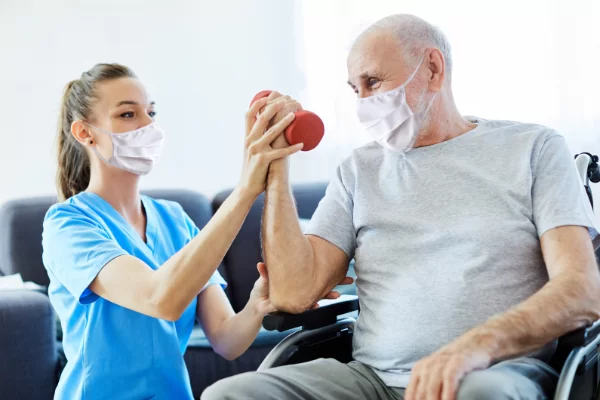
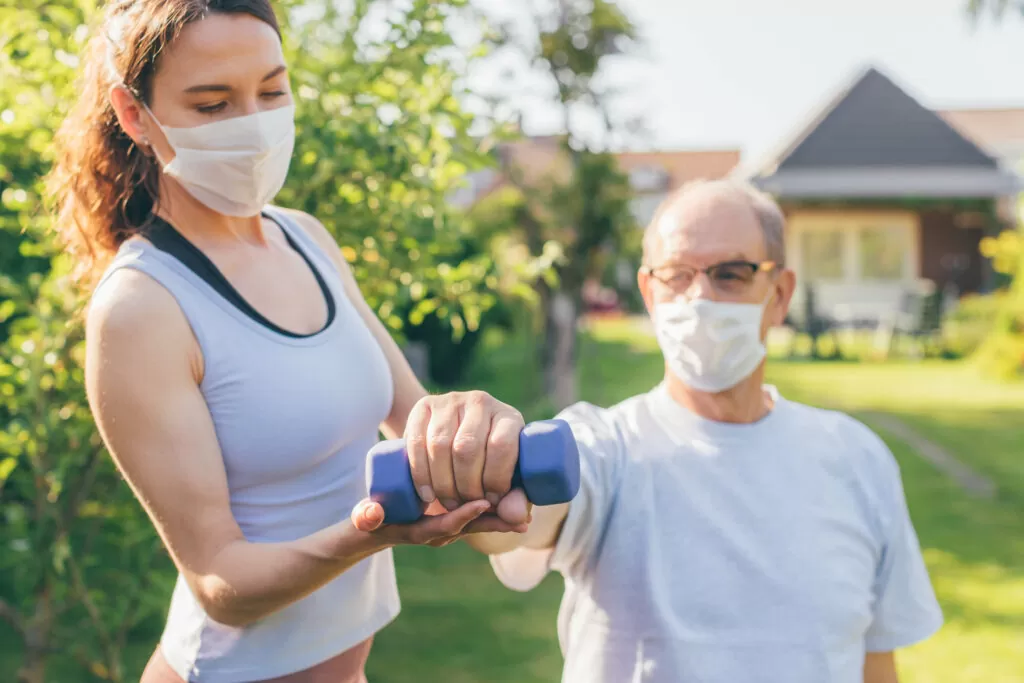
- In home physical therapy is a great way to increase on endurance, balance and stamina. Your therapist will implement an exercise program that suits you and takes into consideration any challenges and limitations you experience in your home. They can talk to you about strategies to increase endurance as well as feel more confident about the tasks you are performing.
Conclusion:
To learn more about the benefits of in-home therapy and how it can help people regain their strength, call us today! 302-304-9729. You can also fill out our Contact form. We would be happy to answer any questions. We see clients in New Castle County DE, Kent County DE and Delaware County PA.
In Delaware County, Pennsylvania, we serve: Glen Mills, Boothwyn, Chester, Media, Newtown Square, Garnet Valley, Concordville, Aston, Broomall, Springfield, just to name a few.