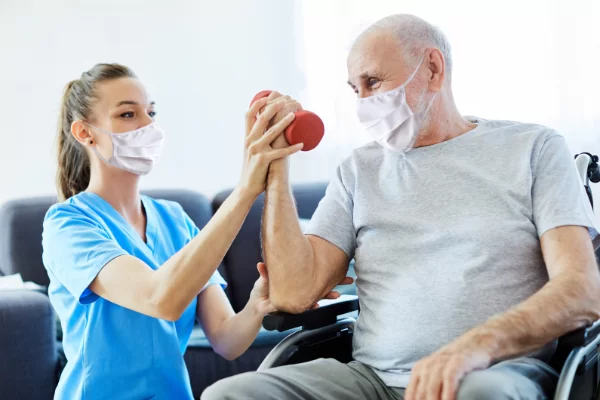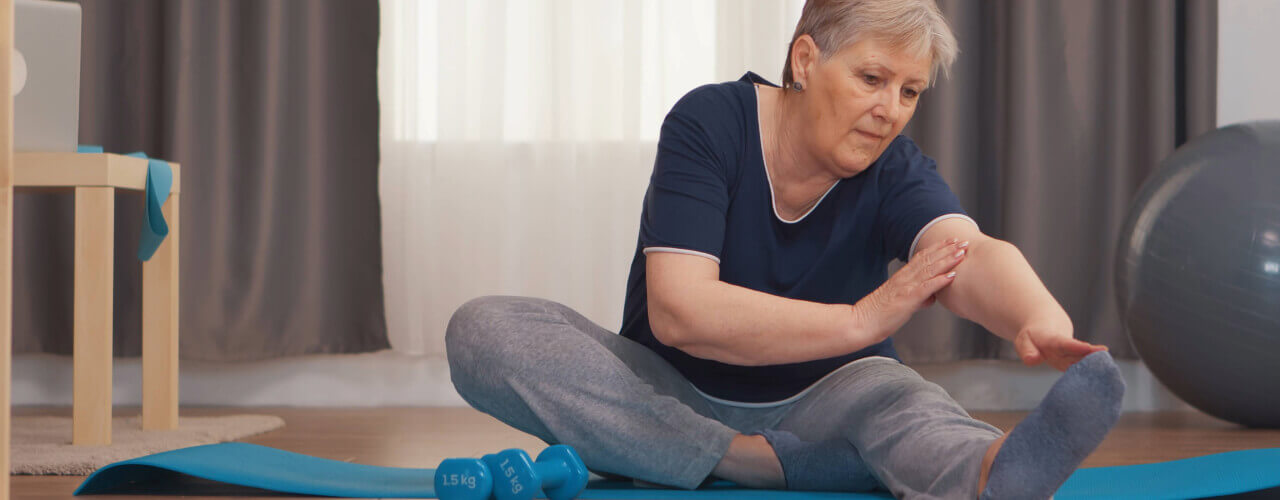
Recovering from a stroke is a journey that requires patience, dedication, and the right support system. Many stroke survivors experience mobility challenges, muscle weakness, and difficulty performing daily tasks, making rehabilitation a crucial part of regaining independence. For Robert (not his real name), in-home physical therapy provided a personalized, structured approach to stroke recovery at home, allowing him to rebuild strength and confidence in a familiar environment.
Robert’s Story: A Stroke That Changed His Life
At 68, Robert lived an active life, enjoying walks in his neighborhood and working on home improvement projects. However, after experiencing a stroke, everything changed. He was left with:
- Weakness on his left side, making it difficult to walk or use his arm.
- Limited coordination and balance, increasing his risk of falling.
- Muscle stiffness and reduced range of motion making daily tasks challenging.
- Fatigue and frustration, feeling dependent on others for basic activities.
Returning home after his hospital stay, Robert and his family worried about how he would adjust. His doctor recommended in-home physical therapy with First State Rehab at Home to help him regain mobility and rebuild strength.
A Personalized Plan for Stroke Recovery at Home
Robert’s journey began with a comprehensive assessment by his physical therapist, who identified key areas to address. His stroke recovery at home plan focused on the following:
- Restoring movement and strength in his affected limbs.
- Improving balance and coordination to reduce fall risk.
- Teaching strategies for safe, independent mobility in his home.
- Through consistent therapy sessions, Robert made significant progress in his recovery.
Stroke Recovery at Home: How Physical Therapy Helped Robert
1. Strengthening Weak Muscles to Regain Control
Robert’s stroke left his left side significantly weaker, making it difficult to perform basic movements. His therapist introduced:
- Gentle strengthening exercises to rebuild muscle control.
- Targeted resistance training to restore endurance for daily activities.
- Repetitive movement therapy to improve coordination in his arm and leg.
Over time, Robert’s strength improved, allowing him to stand and walk with greater confidence.
2. Balance and Coordination Training for Stability
One of Robert’s biggest challenges was feeling unsteady while walking. His therapist incorporated:
- Weight-shifting drills to enhance balance control.
- Gait training techniques to improve his walking mechanics.
- Postural exercises to support better stability and reduce the risk of falls.
With practice, Robert was able to move around his home more safely and independently.
3. Retraining Functional Movements for Daily Living
Simple tasks like getting out of bed, dressing, and reaching for objects were difficult after Robert’s stroke. His therapist focused on:
- Task-specific retraining to help him regain independence in daily activities.
- Modified movement techniques to reduce strain and improve efficiency.
- Adaptive strategies for easier transitions between sitting, standing, and walking.
By working in his home environment, Robert learned how to navigate familiar spaces with greater ease.
4. Home Safety Modifications to Prevent Falls
Since stroke survivors face an increased fall risk, Robert’s therapist provided recommendations to make his home safer:
- Removing tripping hazards like loose rugs and cluttered walkways.
- Installing grab bars in key locations like the bathroom and near stairs.
- Rearranging furniture to create clearer, safer walking paths.
These adjustments allowed Robert to move confidently without fear of falling.
Robert’s Progress: Regaining Independence Step by Step
After three months of consistent in-home therapy, Robert made remarkable progress. His stroke recovery at home led to:
- Stronger muscle function, allowing him to stand and walk with minimal assistance.
- Improved balance, reducing his risk of falls.
- Greater independence, enabling him to complete daily activities with less effort.
- Renewed confidence, motivating him to stay active and engaged in his recovery.
Robert’s story highlights the power of in-home physical therapy in restoring mobility and improving quality of life after a stroke.
Finding Strength in Stroke Recovery at Home
Recovering from a stroke takes time, but with expert guidance and a structured rehabilitation plan, individuals can regain independence and improve their daily function. In-home physical therapy ensures that patients receive personalized, one-on-one care in the comfort of their own homes, making the recovery process more effective and accessible.
If you or a loved one is facing mobility challenges after a stroke, First State Rehab at Home is here to help. Our dedicated physical therapists provide customized stroke recovery programs that focus on strength, mobility, and independence.
Take the first step toward a stronger, more confident recovery—contact First State Rehab at Home today to learn how in-home physical therapy can support your journey.
Tags: Fall Prevention, balance support, regain mobility, stroke rehabilitation