Navigating Parkinson’s: How In-Home Physical Therapy Transforms Steps and Strengthens Stability
Imagine a world where each step feels uncertain, where the rhythm of walking becomes more and more challenging every day. Fortunately, gait analysis and Parkinson’s disease can help transform the way individuals with Parkinson’s move. At First State Rehab at Home, our in-home physical therapists use gait analysis to unlock improved mobility and stability.
David, a 65-year-old retired teacher and lover of ballroom dancing, felt his world turn upside down when Parkinson’s disease slowed his pace and started to impact his dance steps. Walking from his living room to the kitchen became a task he often dreaded. The rhythmic steps of the waltz that once felt so natural now felt like trying to solve a complex puzzle.
Every day, countless individuals like David grapple with the movement challenges presented by Parkinson’s. The dance of life gets trickier. But there’s hope and help in the form of gait analysis and expert in-home physical therapy.
Gait analysis is like a magnifying glass that zeroes in on the intricacies of how we walk. By closely examining movement patterns, physical therapists can pinpoint inconsistencies, imbalances, and areas that need intervention. For Parkinson’s patients, understanding these gait irregularities is crucial.
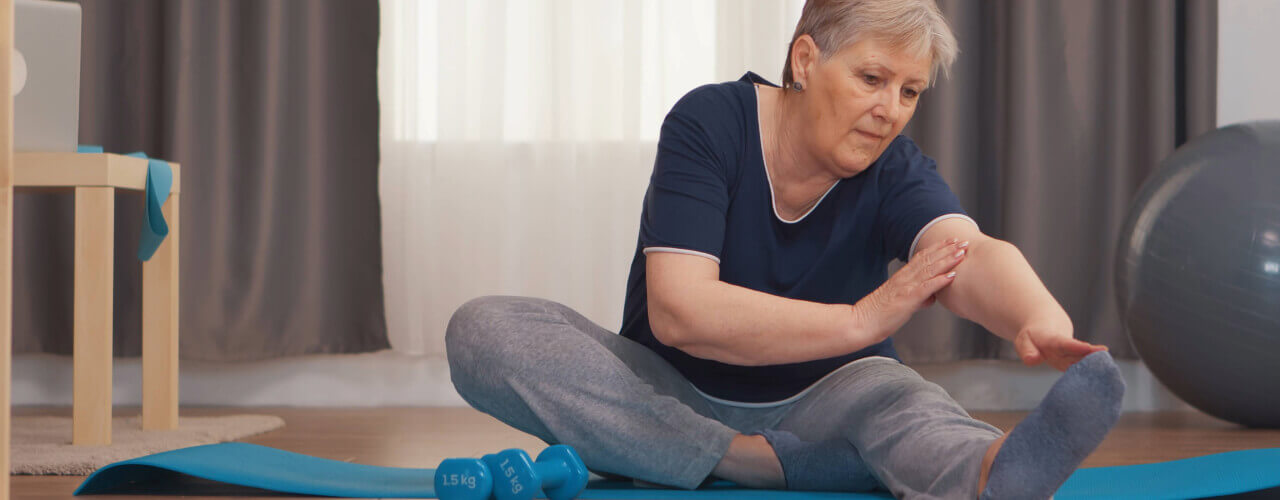
Now, with in-home physical therapy, the intervention isn’t just clinical—it’s personal. Our therapists at First State Rehab at Home come to your space, ensuring that the therapy is tailored to your body and your environment. The corner where you always stumble, the hallway you find tricky, becomes our focus points.
This isn’t just about walking—it’s about reclaiming your life. Reach out to us today!
Unlocking Movement: Gait Analysis and Parkinson’s Disease Insights
Walking, an activity many take for granted, can be transformed when faced with the challenges of Parkinson’s disease. While known for its tremors, this neurological condition greatly influences how someone walks and balances. But, with gait analysis and Parkinson’s disease, there’s newfound hope for those seeking enhanced movement and stability.
Parkinson’s disease is a degenerative disorder of the central nervous system. At its core, it’s caused by reduced dopamine production in the brain. Dopamine is a neurotransmitter, a chemical messenger, which plays a pivotal role in coordinating smooth and balanced muscle movements.
In simpler terms, think of dopamine as an orchestra conductor, ensuring every instrument (or muscle) plays in harmony. With Parkinson’s, the conductor’s direction falters, leading to uncoordinated movements.
While Parkinson’s manifests differently in everyone, some common signs include:
- Tremors or shaking, often starting in a limb.
- Slowed movements (bradykinesia).
- Muscle stiffness.
- Impaired posture and balance.
Of particular note, when discussing gait, individuals with Parkinson’s often exhibit:
- A shuffling walk with small steps.
- Difficulty starting or stopping walking.
- Reduced arm swing while walking.
- Tendency to lean forward or backward, affecting balance.
While the exact cause of Parkinson’s is unknown, a combination of genetic and environmental factors might play a role.
Changes in gait or increased risk of falls in Parkinson’s can be attributed to the brain’s reduced ability to regulate body movements and coordinate muscle functions. By identifying inconsistencies, our First State Rehab at Home therapists can tailor interventions, especially in the comfort of one’s home, ensuring safer mobility and better quality of life.
In-Home Physical Therapy: Step Towards Enhanced Movement and Stability
The process begins with a deep dive into your movement. Imagine a detective equipped with the knowledge of gait analysis and Parkinson’s disease, studying your every step and making detailed notes. The aim? To capture the essence of your walking pattern and understand where to make improvements.
No two individuals are alike. That’s why our in-home therapists draft a plan just for you. This might include:
Mobility Work: Using tools and props right from your home, we make exercises accessible.
Stretches & Strengthening: Ensuring your muscles remain supple and strong for the long haul.
Gait and Balance Activities: Using household items as aids, we build impactful exercises.
Having a therapy session right in your living space has its perks:
- Familiar Environment: What better place to learn and practice than where you spend most of your time?
- Personalized Approach: Our therapists utilize items in your home for therapy. Your favorite chair might double up as a prop for balance exercises!
- Consistency: With no commute to a clinic, you’re more likely to stay consistent with sessions and homework.
Our in-home therapists wear many hats. They’re movement experts, yes, but they’re also listeners. They’re trained to understand your concerns, goals, and wishes truly. You’re not just another patient; you’re a unique individual with distinct needs. We’ll work to ensure your journey is fulfilling and you get the best outcomes while preventing future complications.
Every step is steadier with First State Rehab at Home’s in-home physical therapists guiding you!
Navigating the Challenges of Parkinson’s
The truth is, we often take walking for granted. Only when our steps start to falter do we truly realize the importance. With Parkinson’s, the daily journey may seem like trekking through unpredictable terrain. But with the proper guidance, understanding of gait analysis and Parkinson’s disease, and receiving expert in-home care, those treks become manageable, and those dance steps find their rhythm again.
To understand more about how First State Rehab at Home in-home physical therapists can help, give us a call!
Sources:
Tags: Physical Therapy, Physical therapist, Natural Treatment, Natural Pain Relief, Pain Relief, Parkinson Disease